Protect Your Restaurant Workers from BBQ Grilling Injuries
As the weather warms up, people get excited to take their grills out of winter hibernation and host their first BBQ of the season. Meanwhile, restaurants prepare for the nicer weather by cleaning up their outdoor patios and hiring additional staff for the summer months. In fact, from Memorial Day to Labor Day, the restaurant work force nearly doubles.
Summer is the busiest time of year for restaurants, making it necessary for owners and managers to hire
temporary staff to compensate for the additional business. And, a good portion of these seasonal employees are inexperienced restaurant workers who are more likely to be injured on the job than those that have worked in the industry for a while. According to the
AmTrust Restaurant Risk Report, June, July and August have the highest reported restaurant workers’ compensation accidents, while January, February, November and September tend to see the lowerst number of injuries. Restaurant owners and managers need to work with employees to educate them on safe practices to
reduce the risk of workers’ injuries.

BBQ Restaurant Risks
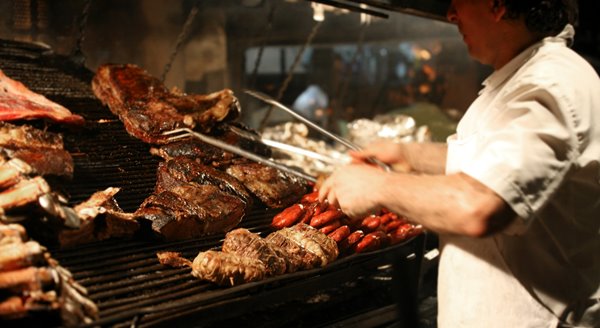
Summer is grilling and BBQ season, but many types of BBQ are considered a staple all around the U.S., with BBQ on the menus throughout the year.
Travel and Leisure describes it best, “In the U.S., and especially in the South, barbecue is a staple, and it’s all about cooking meat “low and slow,” so the end result is "tender, melt-in-your-mouth meat filled with flavor.”
BBQ restaurants of all styles have widespread popularity across America. But, just like other restaurants types, employees at BBQ establishments can be subject to work-related injuries including cuts, punctures and scrapes,
burns and muscle strains and sprains.
AmTrust claims data found that employees of BBQ restaurants have the highest days lost (65.9 days) out of all restaurant types for “strains by lifting” injuries. Strains from lifting at BBQ restaurants averaged 392 days of lost time, double the average loss of any other type of restaurant. Hernias caused by lifting required an average of 392 days of lost time, with ruptured shoulder(s) the next leading contributor at 335 days to return to work.
Grilling Safety Tips for the Home
Even if you are not the owner or employee of a BBQ restaurant, you should still practice grilling safety tips to help reduce risk of injury at home. According to the
National Fire Protection Association (NFPA), 70% of U.S. households own at least one outdoor BBQ, grill or smoker with 64% of households owning a gas grill. July is the peak month for grill fires, followed by June, May and August.
The NFPA put together outdoor grilling safety tips that would be good to remember for home, the company summer picnic and for restaurant chefs:
- Propane and charcoal BBQ grills should only be used outdoors
- The grill should be placed well away from the home, deck railing, out from under eaves and overhanging branches
- Keep children and pets at least three feet away from the grill area
- Keep the grill clean by removing grease or fat buildup from the grills and in trays below the grill
- Never leave a grill unattended
- If you use starter fluid to start the grill fire, use only charcoal starter fluid
- Never add charcoal fluid or any other flammable liquids to the fire
- When you are finished grilling, let the coals completely cool before disposing in a metal receptacle
Restaurant Safety Solutions from AmTrust Lost Control Department
Whether your restaurant requires safety and loss control consultation, technical loss analysis, training resources and more, AmTrust’s
Loss Control Department can give you the individual attention you deserve, identifying specific hazards and offering solutions that fit your operation. We are dedicated to providing the right recommendations and resources necessary to create the most effective loss prevention program for your specific needs. Additionally, we offer coverage to a variety of
restaurant types, from fine dining establishments to mobile food vendors. Please
contact us today to learn more.
 This material is for informational purposes only and is not legal or business advice. Neither AmTrust Financial Services, Inc. nor any of its subsidiaries or affiliates represents or warrants that the information contained herein is appropriate or suitable for any specific business or legal purpose. Readers seeking resolution of specific questions should consult their business and/or legal advisors. Coverages may vary by location. Contact your local RSM for more information.